Tuesday, January 19, 2016

Eras in Muppet History: The Beginning Era (1955-1969)


Eras in Muppet History: The Beginning Era (1955-1969)
Jim Henson and Jane Nebel with Sam & Friends Cast
Many people think of The Muppet Show (1976) as where the Muppets began. The show introduced many of today’s characters, however the Muppets began about twenty years earlier in 1955. Jim Henson, a college student at the University of Maryland was given a chance to create a show called Sam and Friends. The show consisted of five-minute segments after the news that featured early Muppets, including an early version of Kermit the Frog, performing comedy bits and lip-synching acts. Henson performed the show with his future wife, Jane Nebel. Henson began to change how puppetry was done, right off the bat. His characters had moving mouths that were used to realistically match up with sounds. It seems pretty simple now, but at the time was a big change. He also got rid of the physical puppet stage, realizing that if this is being shot for TV, then the TV itself can be the puppet stage.

Jimmy Dean and Rowlf
Henson started a company for his creations with what is now known as The Jim Henson Company, currently owned by his children. In order to keep the company going, the Muppets began appearing in commercials in the late 1950s for such companies as Wilkins Coffee and Purina Dog Chow. It’s fascinating to me, to think about the Muppets needing commercials to keep them going. As long as I can remember, the Muppets have been this established force in entertainment. I love origin stories and hearing how successful franchises got their start. One of the characters created for these commercials was Rowlf the Dog. Although Kermit has been around longer, it was Rowlf that first hit national stardom, featuring in comedy sketches on The Jimmy Dean Show (1963). This is when Jim Henson’s name started to get some real heat behind it. Everyone knew about Rowlf, and it seemed like every company wanted the Muppets to sell their products with their commercials.
 
Kermit on The Ed Sullivan Show
The national success also landed several opportunities for Jim Henson to demonstrate his incredible abilities on shows like The Ed Sullivan Show. This was one of the huge milestones I was talking about. This was the equivalent of the Muppets starring on any of the big late night talk shows. Several of the skits performed would later be recreated on The Muppet Show, including a sketch with Kermit sitting on a wall, pulling at a small worm, only to realize the worm was the long nose of a monster that then ate Kermit. If you look closely at some of these Ed Sullivan clips, you can spot early versions of characters, such as Cookie Monster or Grover. The Ed Sullivan Show also debuted one of the most famous Muppet songs, “Mahna Mahna” (do doo do do do). These clips are essentially a grab bag of great, memorable, Muppet moments.
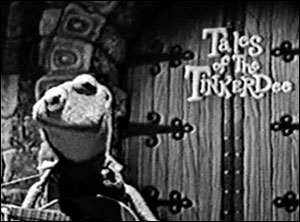
 
Even with such great exposure, Henson didn’t just stick with appearing on other people’s shows, there were some early Henson projects that date back to The Beginning Era. In 1962, Henson produced The Tales of Tinkerdee, a pilot for a new show. The pilot never aired, but the video has surfaced in recent years. I’m not sure how well it would have worked as an ongoing series, but I enjoyed it and thought there was some good humor in there. The story, narrated in song by Kermit, follows the evil witch Taminella Grinderfall as she comes up with plans to steal the birthday presents of Princess Gwendolinda, daughter of the bumbling monarch, King Goshposh. One of the most significant things about this pilot is the debut of Taminella and King Goshposh, both of whom will play key roles in the following Muppet Era.
 
Henson and Frank Oz
This was also the time when Jim Henson began working with key people that would be a lasting part of the Muppet Legacy. Much like the Muppets themselves, Jim Henson had a team of characters behind the scenes as well. Frank Oz joined Henson as a puppeteer, beginning one of the most underrated comedy duos of all time. Henson and Oz would go on to perform such iconic duos as Ernie and Bert, Kermit and Fozzie, Kermit and Miss Piggy, as well as performing the head and hands of the Swedish Chef, respectively.

Don Sahlin
Along with Oz, another addition to the company was Don Sahlin, master puppet builder. Don Sahlin is someone most people have never heard of, but they’ve definitely seen his work. Many fan favorites from Sesame Street (1969) and The Muppet Show were first carved out of foam by Sahlin.
 
Jerry Juhl
One more major player, who joined Henson was Jerry Juhl. Juhl was a puppeteer in these early days, but quickly found his true calling, which was writing. He helped develop who these characters were, and he knew just how to mix the characters together to create terrific entertainment. These people were the foundation for years to come. To put it simply, without knowing it, most people in their life have laughed at characters that were built by Don Sahlin, being performed by Jim Henson and Frank Oz, speaking words that were written by Jerry Juhl.


Continue on to The Fairy Tale Era (1969-1974)


Eras in Muppet History: Introduction


For my very first blog post, I am going to write about the Muppets. Why, you may ask? For me, Muppets have always been my number one franchise. From a very young age, I would collect the toys, re-watch their movies over and over again, and I never really grew out of it. As I got older, I also started to look into what was happening behind the scenes, and appreciate the art and craftsmanship that went into the Muppets. . One thing that draws me in is that the music is incredibly relatable, I can think of a perfect Muppet song for almost any mood. If I’m happy, I can listen to Kermit’s rendition of “Happy Feet”. If I’m feeling down, I can listen to Big Bird singing “I’m so Blue.” It doesn’t stop there, I could think of songs for road trips, weddings, goodbyes, and even going out on a date. The music can reinforce how I’m feeling, which is why I have a Muppet playlist on my phone. Another aspect for me, is that I can identify with the characters on a personal level, even with the knowledge that they’re puppets. My all-time favorite character is Gonzo. Gonzo is a crazy daredevil who comes up with extravagantly creative stunts. He doesn’t care what other people think, he’s so confident and sure of himself and that comes across. He also has shown his sensitive side and how much he cares for his friends. That right there is admirable. Being confident in who you are and caring for people is a great trait for anyone to have, and the Muppets are able to portray that through a hose-nosed weirdo who loves chickens. I could keep going, Kermit, Miss Piggy, Fozzie Bear, and all the rest have been given such distinct personalities and motivations that you want to root for them. The Muppet performers are so talented and creative in their performances, that I see it as significantly more than just a puppet show.
 

Jim Henson performing Kermit in The Muppet Movie (1979)
As I mentioned, I’ve been fascinated with the Muppets for as long as I can remember, so I’ve seen every Muppet production that I could get my hands on. In seeing all of this, I would identify three main factors that contributed to this success. First off, the state of the art puppetry techniques. Jim Henson was a pioneer of this field. He was always looking to push the envelope with new, ground-breaking techniques. Every form of TV magic has been used, from marionettes and animatronics to green screen effects and computer generation. In The Muppet Movie (1979), Jim Henson blew peoples’ minds by having Kermit riding a bicycle. That kind of ingenuity really makes a big difference.

 
L-R: Dave Goelz, Jerry Nelson, Jim Henson, Frank Oz
and Richard Hunt
The second factor is the amazing performance of the Muppet performers, who are often underappreciated. These performers do an amazing job at bringing these characters to life. Not only in the technical movement of the puppets, but also in their performance. The Muppets are given likes, dislikes, wants, needs, and emotions. Fozzie Bear desperately wanting to succeed at something despite his lack of skill is very relatable. When Kermit tries to keep everything running smoothly when everyone else is acting crazy and chaotic makes us root for him. The characters are just as real as any other characters you’ll see on TV.


The third factor of Muppet success is something that I’ve noticed over the years. It’s the balance of craziness and heartfelt moments. Two very different approaches to entertainment and the Muppets bring their A-Game to both of these. On one hand, making hilarious, crazy humor is the Muppets’ specialty, and that is truly exemplified in some key characters, such as The Swedish Chef as he tries to cook using wacky methods or Beaker, the unwilling victim of Dr. Bunsen Honeydew’s wacky inventions. The constant mixture of these characters butting heads and trying to work together brings a unique interpersonal dynamic to the Muppets. You could throw any two characters together in a scene and the end result would still be hilarity. On the other hand, the Muppets are also known for creating heartfelt, meaningful moments. These writers and performers are so talented that they can make us feel and care for these characters, even though we know they’re not real. In my mind, no character does this better than Robin the Frog, who seems to show up at most of these moments. Isn’t it interesting that Robin shows up in nearly every Muppet Christmas special? Portrayed brilliantly by the late Jerry Nelson, Robin is a small frog with a big heart. He has the perfect mixture of wise friend and small child that brings

home the emotion.

In order to fully appreciate the Muppets have how far they’ve come, I think it’s important to look back through their history. Doing this, we can discover the path that Jim Henson took with these characters and the big milestones along the way. We can see how these milestones have allowed these characters to progress and lead to the next big break. Although there are no official periods of time within Muppet history, I have identified and labeled what I see as seven distinct eras in Muppet history. In the following chapters, I will be discussing each era and its contributions to the culture of Jim Henson’s Muppets. To start things off, I will share the first chapter right away. I will post the remaining six chapters every morning at 10:00am.


Continue on to the Beginning Era (1955-1969)